Feel better again
Treatments that work wonders
Therapeutic massages
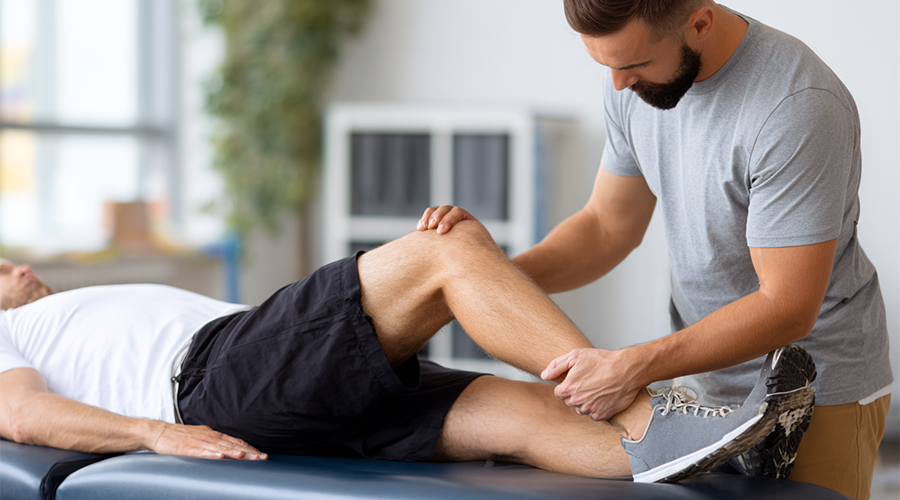
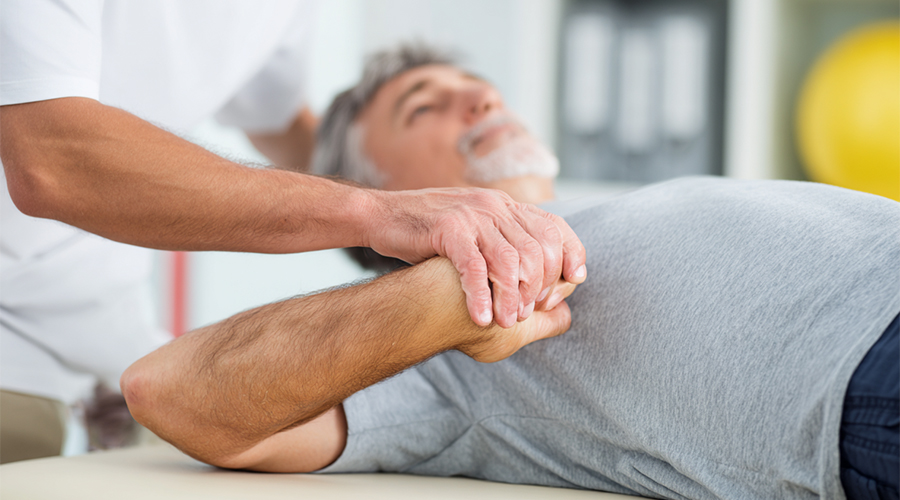
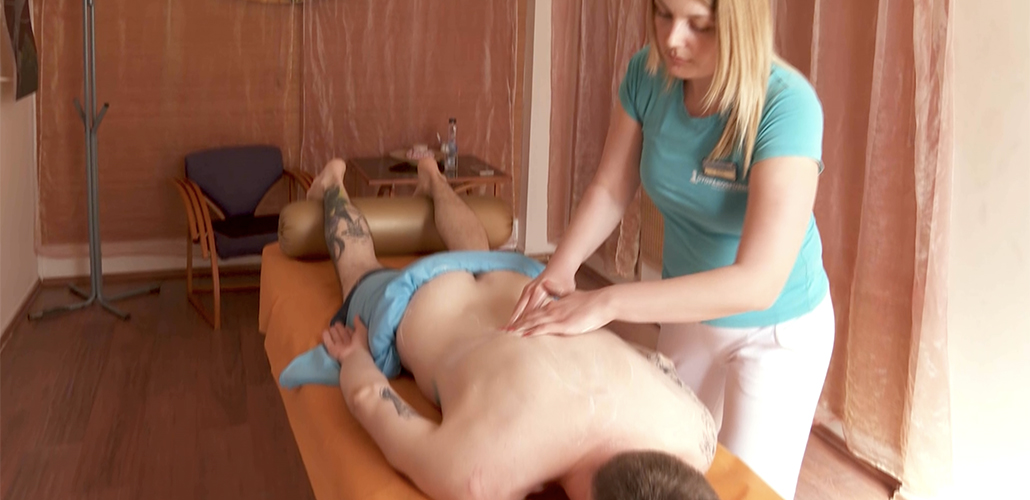
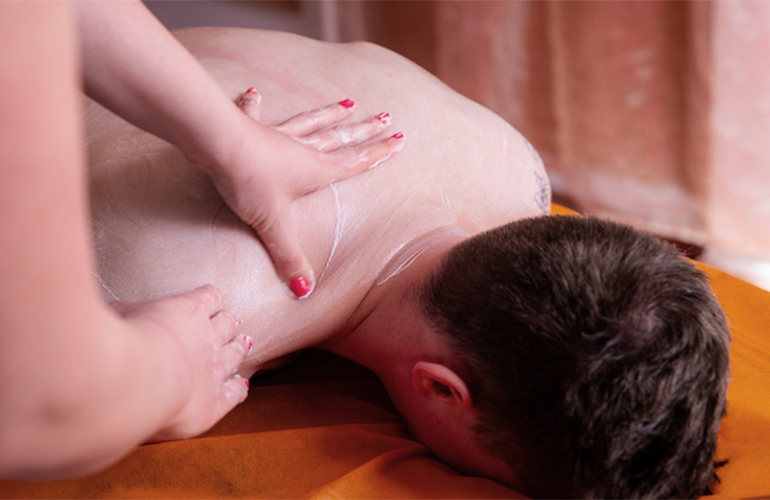
Duration of treatment: 20 minutes. Massage is one of the oldest and most widely used therapeutic methods for treating various musculoskeletal conditions, as well as for improving the effects of a physically demanding, stressful and sedentary lifestyle. During the treatment, qualified therapeutic masseurs focus on the affected or problematic parts or regions of the body in accordance with the doctor’s instructions. Using specific techniques on the body’s surface, tense, cramped muscles are loosened, thereby stimulating blood circulation and metabolism in the affected area. Pain and fatigue are alleviated, mental well-being improves, and concentration can also be enhanced. Furthermore, massage helps to maintain the skin’s youthfulness and elasticity, and is an ideal complement to detoxification treatments.
Sports massage
Treatment duration: 25 minutes. During a sports massage, our specialists use firmer rubbing, kneading and tapping techniques. The treatment is administered before sporting activities to loosen tense, cramped, stiff and shortened muscles, increase their flexibility and resilience, and thereby reduce the risk of injury. After sporting activities, the primary aim is to promote the fastest possible recovery and restore muscle tone.
The sports massage is recommended for both men and women.
Scar Treatments
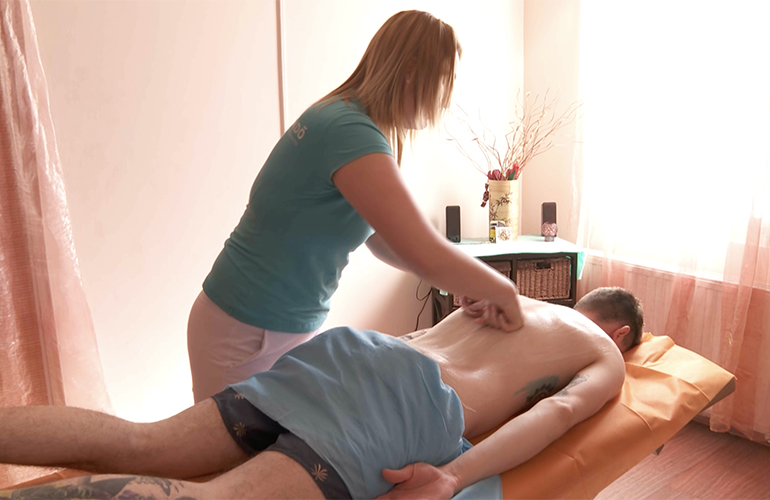
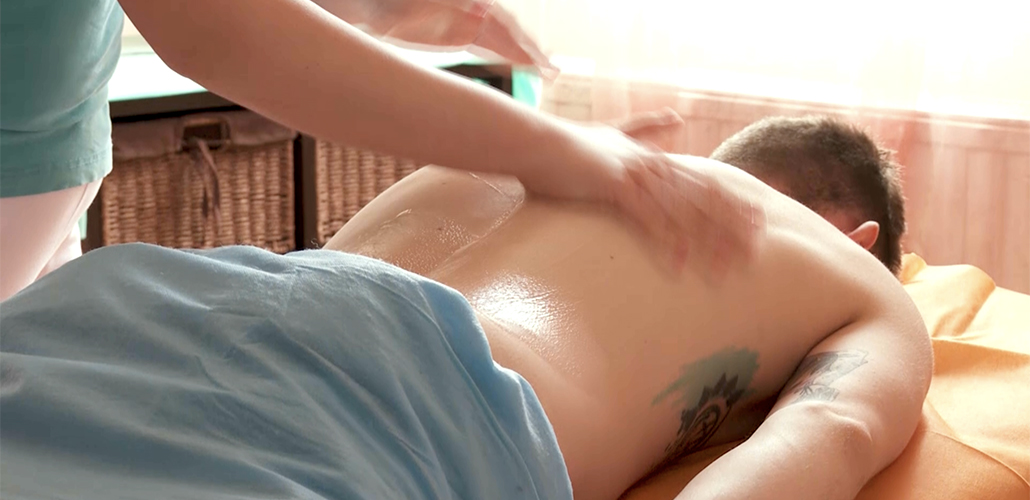
We often do not pay enough attention to scars caused by injuries or surgery, even though an untreated scar can have numerous negative effects. It is important to know that scars are not merely an aesthetic issue; they can also grow inwards, leading to adhesions and scar tissue. This, in turn, can lead to restricted movement, problems with internal organs and musculoskeletal complaints.
To ensure the scar heals at an appropriate rate and without complications, scar massage is essential. It promotes blood circulation in the affected area, alleviates pain, prevents adhesions and scar tissue formation, and loosens the tissue, thereby restoring normal joint mobility. Scar treatment is also particularly important for scars resulting from a caesarean section. During a caesarean section, the incision cuts through several layers. Here too, adhesions can form, preventing the layers from sliding over one another.
Warning signs indicating that scar treatment is particularly important:
- Localised pain around the scar
- Abdominal muscle separation (rectus diastasis) may occur
- May lead to musculoskeletal complaints, e.g. back pain
- Discomfort and pain in the urinary tract
- Painful sexual intercourse
Scar massage can be started six weeks after the caesarean section to prevent the occurrence of the above-mentioned symptoms through the beneficial effects of scar treatment.
To book an appointment for scar treatment, please call the health insurance provider on +36 68 512-262.
Postnatal rehabilitation
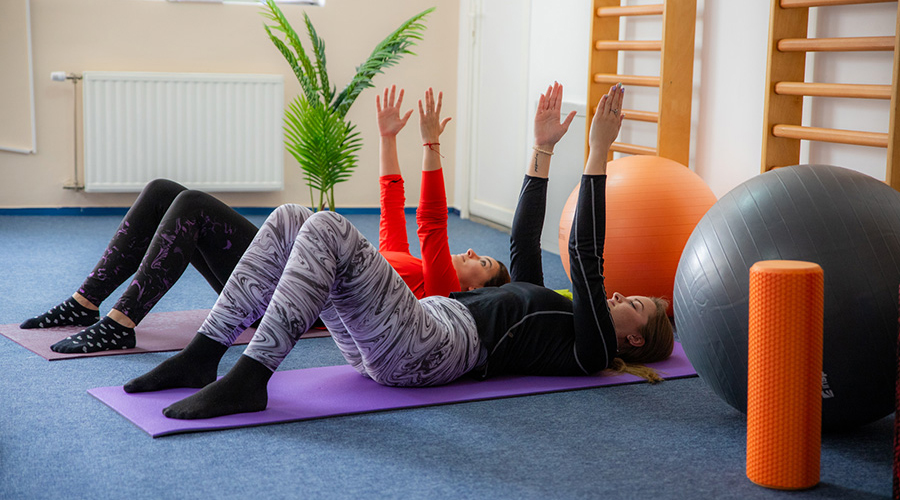
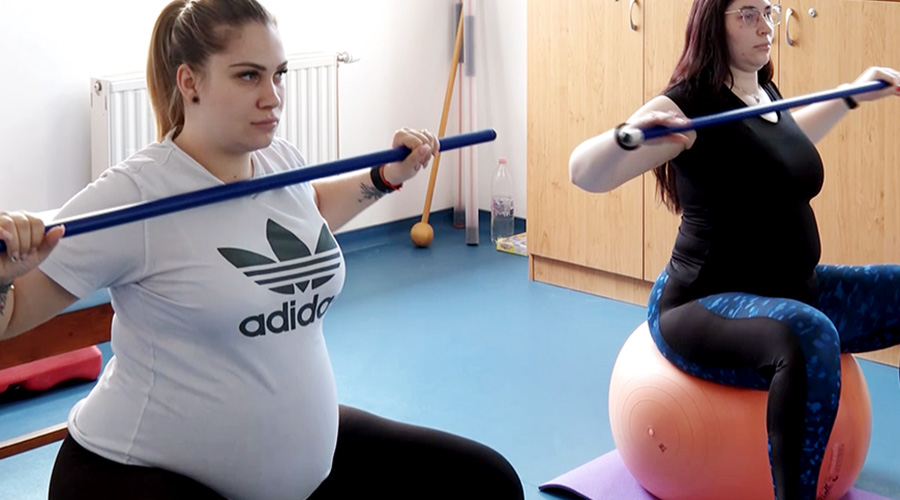
During pregnancy and childbirth, a mother’s body undergoes numerous changes that can cause discomfort and pain in the short and long term. One way to address these issues is through postnatal rehabilitation exercises. In addition to physical changes, changes in mental well-being are also significant, with physical activity playing a role in preventing postnatal depression.
Consequences of pregnancy and childbirth:
- Weakening of the pelvic floor muscles, which can lead to urinary incontinence.
- A change in the position of the pelvis, which results in a change in the physiological position of the spine.
- The back muscles become weakened, which can lead to back pain.
- The abdominal muscles weaken, and due to the growing abdomen during pregnancy, the abdominal muscles separate, which often remains a persistent problem after childbirth.
- During pregnancy and after childbirth, a forward-leaning shoulder posture typically develops during breastfeeding, leading to a weakening of the back muscles and a change in the position of the spine.
- During pregnancy, breathing patterns change, which must be addressed as part of postnatal rehabilitation.
- In the case of a caesarean section, physical activity promotes scar healing.
- Physical activity after childbirth helps to optimise body weight.
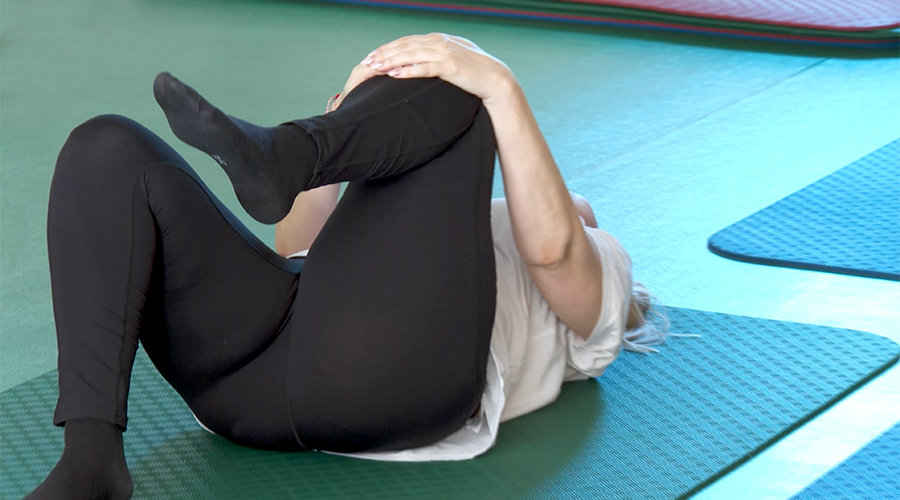
During training, we place great emphasis on strengthening the abdominal, back, gluteal, shoulder and hip muscles in various postures under progressively increasing load. We learn how to perform everyday movements, such as lifting loads, in a way that is as gentle on the joints as possible, and we also aim to automate the correct execution of numerous functional movements. After pregnancy, an important part of postnatal rehabilitation is the development of a correct breathing pattern and the regulation of breathing.
Pelvic Floor Exercises
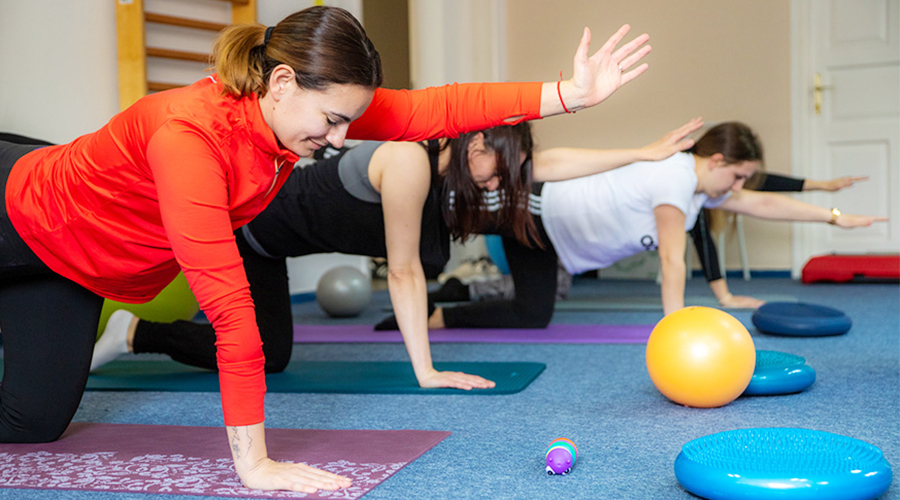
Pelvic floor exercises form the basis of this programme, helping to alleviate or even completely eliminate symptoms. During the course, we learn how to contract the sphincter muscles correctly and activate the muscles essential for a stable pelvic floor. Through these exercises, we strengthen the transverse muscles. We always learn the exercises in a relaxed posture and then, following the principle of gradual progression, move on to more challenging, strained positions.
Pelvic floor exercises are recommended for all women and men who suffer from the following symptoms:
- You have problems with urinary control
- Symptoms of organ prolapse, where the uterus can even be felt in the vagina, as well as painful sexual intercourse, abdominal pain, urinary incontinence and bowel problems
- During heavy physical work, urinary incontinence can occur due to a sudden increase in pressure in the abdomen
- Urinary leakage due to a condition involving chronic coughing
- Recommended for women who wish to take preventive measures against the weakening of the pelvic floor caused by pregnancy before starting a family, as the strain on the pelvic floor increases significantly during pregnancy
- For urinary incontinence problems following childbirth
Recommended for all women who wish to prevent the above symptoms caused by long-term, lifestyle-related damage!
In the long term, a weak pelvic floor can lead not only to the above symptoms but also to back pain or difficulty with, or inability to, pass stools.
The courses are available both individually and in groups. In both cases, participation is preceded by an individual assessment of your condition.
The classes are led by a physiotherapist specialising in pelvic floor physiotherapy.
For safety and supervision reasons, group exercise takes place in small groups of no more than 5 people.
Each session lasts 45 minutes.
In all cases, a prior appointment is required!
To book an appointment for a health assessment and small-group exercise classes, please contact the medical reception on +36 68 512-262.
Laser treatment
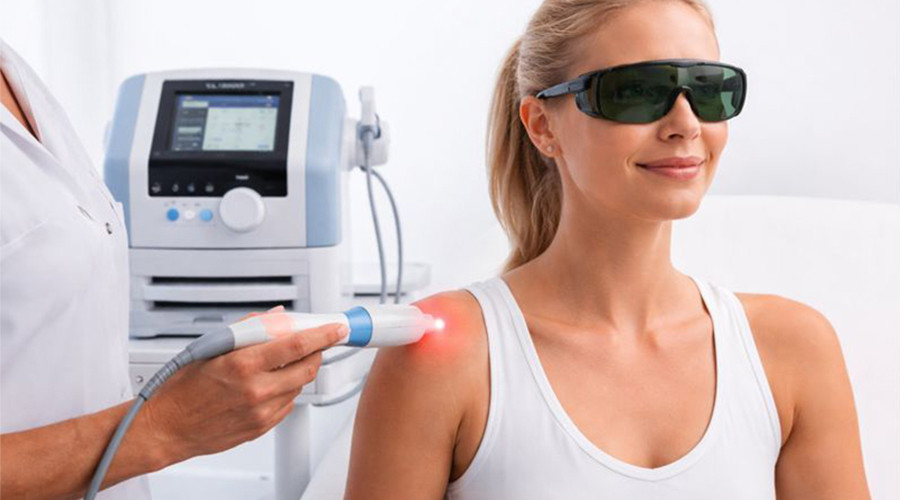
The soft laser device belongs to the group of medical ‘soft lasers’ (medical device). During treatment, we utilise the photochemical effect of the laser light to stimulate the body’s biological processes. Soft laser treatment is a gentle method for pain relief and reducing inflammation, which supports tissue regeneration through its biostimulating effect.
The effects of laser treatment:
- Anti-inflammatory effect
- Pain-relieving effect, stimulates endorphin production
- Increases collagen production
- Accelerates the body’s self-healing processes at the site of injury
- Promotes blood circulation
- Promotes lymphatic circulation, reduces oedema and swelling
What conditions can it help with?
Laser treatment should be used as a complementary therapy for the following conditions. It can also be effective as a standalone treatment method; however, in many cases, muscle-activating treatment (e.g. physiotherapy) is essential. In addition to these forms of therapy, laser treatment accelerates healing, relieves pain and shortens recovery time.
- Promoting the healing of injuries (strains, muscle, ligament and tendon tears, fractures)
- Supporting normal tissue regeneration following surgery
- Promoting the healing of scars, slow-healing wounds, pressure sores and ulcers
- Reducing inflammation of joints, muscles and tendon sheaths
- Relieving rheumatic pain (including in cases of rheumatoid arthritis)
- For joint wear and tear and cartilage degeneration
- Pain relief and anti-inflammatory effects in spinal conditions (e.g. lumbago)
- Reduction of tinnitus
- Relief of symptoms associated with chronic inflammation of the sinuses and respiratory tract
You can book an appointment for soft laser treatment by calling the health insurance provider on +36 68 512-262.
Shockwave therapy
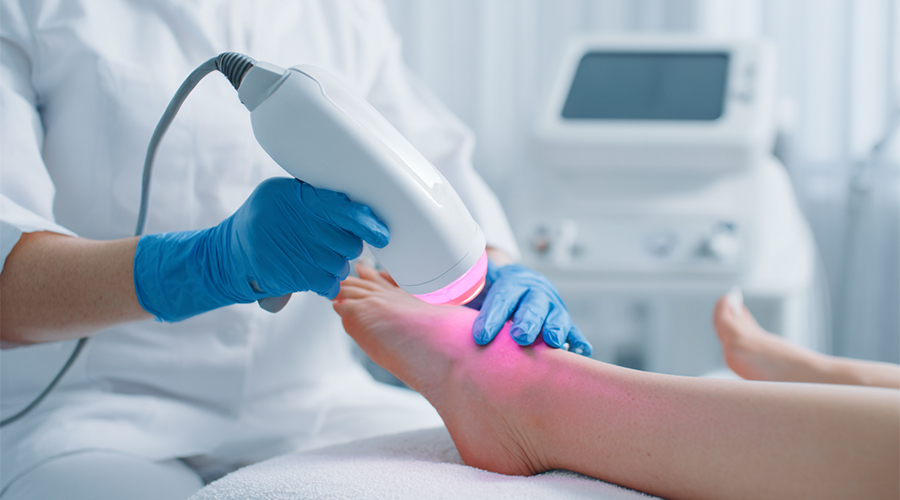
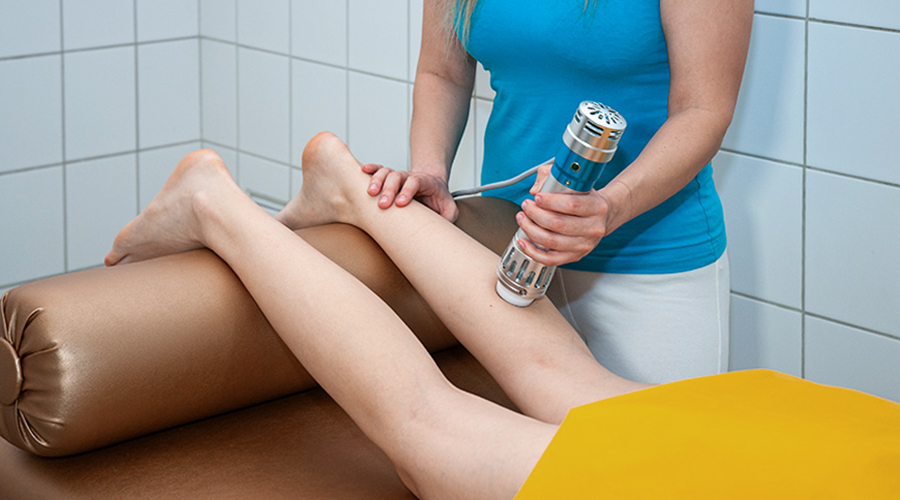
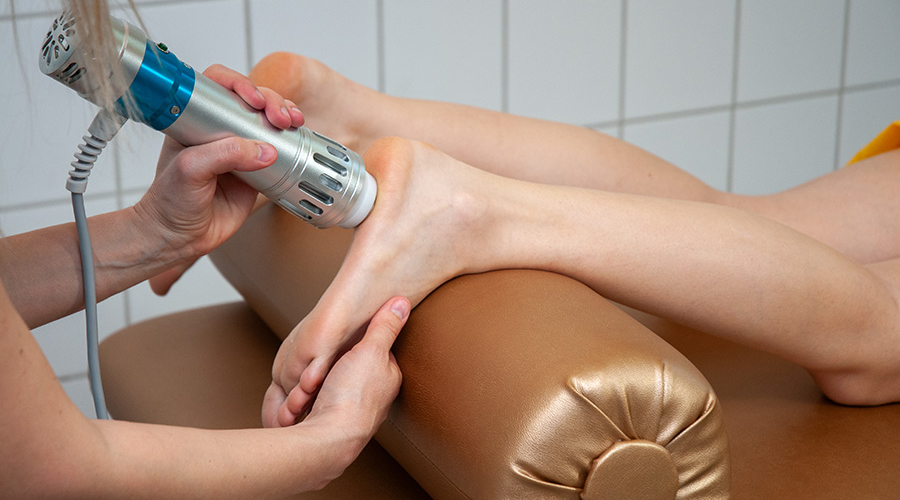
The waves generated by the shockwave device spread over a large area of the skin. Thanks to the mechanical stimulation, blood circulation in all layers of tissue is significantly boosted, thereby relieving pain. A particularly effective method for long-lasting pain in the elbows, shoulders, neck and heels. Unlike medication and injections, it does not put strain on the body and has no harmful side effects.
Positive effects of shockwave therapy:
- Improved blood circulation
- Anti-inflammatory effect
- Improved cellular metabolism
- Muscle relaxation, loosening of tense, tight muscles
- Increased range of motion
- Immediate and long-term pain relief
- Activation of the body’s self-healing abilities
- Normalisation of muscle tone
- Pain relief
For which conditions is shockwave therapy effective?
- Inflammatory joint pain resulting from overuse
- Heel pain, bone spurs
- Achilles tendon pain
- Tendon pain (tendinopathy)
- Rehabilitation of muscle and tendon injuries
- Muscle knots, trigger points
- Shoulder pain, frozen shoulder, bursitis, shoulder syndromes not treatable by surgery
- Tennis elbow, golfer’s elbow
- Carpal tunnel syndrome
- Dupuytren’s contracture
- Groin strain (adductor tendinopathy)
- Certain types of back and hip pain
- Pain in the hip area, calcification
- Restricted range of motion
The McKenzie Method
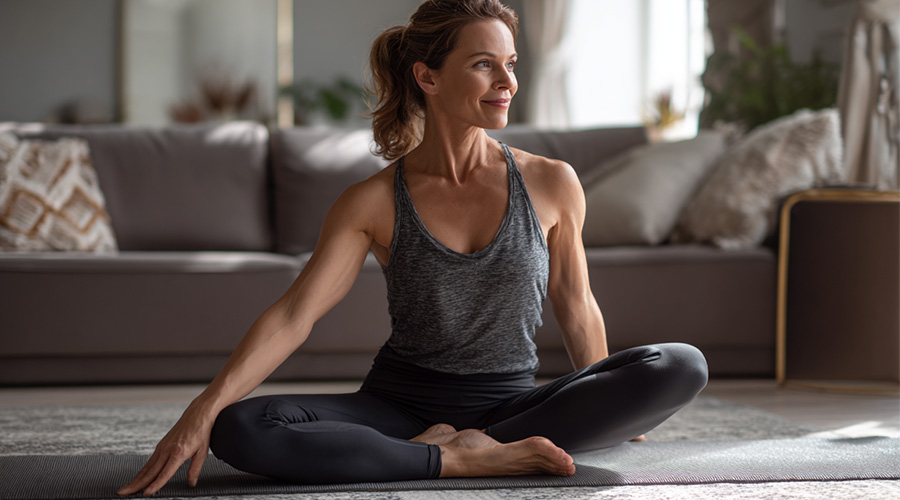
The McKenzie Method is an effective treatment for spinal problems where the cause is mechanical in nature and not due to an inflammatory process.
It can help relieve pain in the lower back, radiating pain and numbness.
The exercises are easy for the patient to learn from the therapist, so that they can perform them independently at home. The patient’s active participation is particularly important, as these simple movements must be performed several times a day to achieve a successful recovery.
Part of the treatment plan involves patient education, during which the patient learns the basics of a back-friendly lifestyle, such as correct posture in various situations.
The aim is for the patient to become independent of the therapist so that they can treat themselves in the long term.
Who is it suitable for?
- People with pain in the lumbar region
- Those with restricted mobility of the spine
- Those with radiating pain in the lower limbs
- Those with numbness in the lower limbs
- Those with a herniated disc
Personalised Physiotherapy
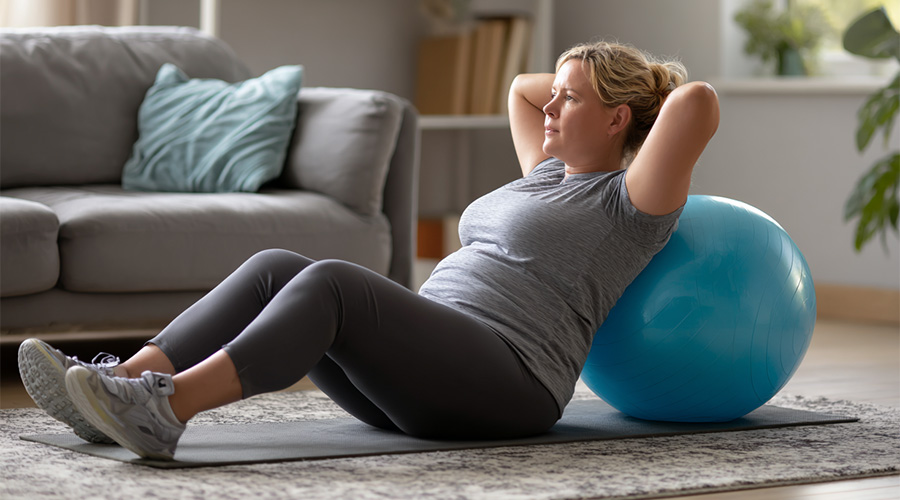
Personalised physiotherapy is a form of exercise therapy tailored to the individual, aimed at treating and preventing various mobility issues, as well as improving the physical functions impaired by these conditions. During treatment, in addition to pain relief, we focus on improving reduced muscle strength, enhancing balance and coordination, and restoring everyday functional abilities. For back and hip pain, particularly in people who perform sedentary, standing or heavy physical work, we incorporate exercises to improve posture into the exercise programme.
The training is based on individually tailored exercise programmes, which are designed by a physiotherapist taking into account the patient’s state of health, existing diagnoses, symptoms and goals.
Treatment begins with a thorough examination of the patient, during which we assess the range of motion in their joints, muscle strength and any functional impairments. After reviewing the available medical records and imaging (MRI, X-ray, ultrasound), we put together a personalised physiotherapy programme, which is carried out in training sessions lasting between 25 and 55 minutes. During the exercises, we use various pieces of equipment and body positions to develop the most effective treatment method for the patient.